


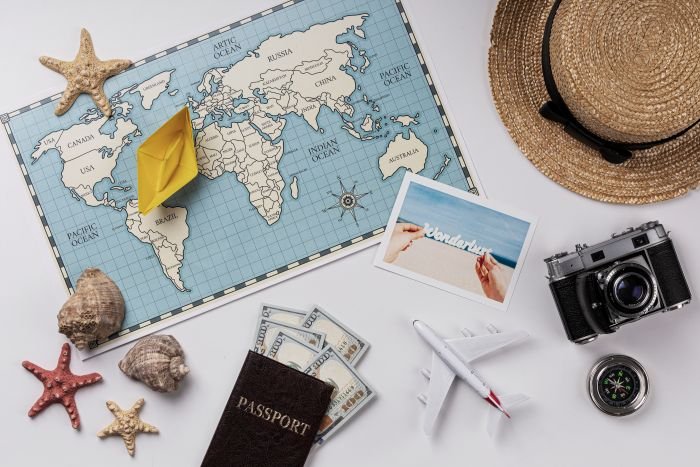
Stepping onto an international flight for the first time is an incredible milestone. The anticipation of exploring a new culture, tasting foreign cuisine, and getting that very first stamp in your passport is unmatched. But let’s be honest, the lead-up can also feel like a chaotic storm of life admin.
Between navigating airport security, figuring out foreign currencies, and trying not to pack your entire wardrobe, there is a lot to track.
To help you swap travel anxiety for pure excitement, we’ve put together the ultimate international travel checklist. No matter where you are starting your journey, these essential steps will ensure you land ready for adventure and fully protected against whatever the road throws at you.
1. Secure Your Golden Tickets (Passport & Visas)
Your passport is your key to the world, but it needs to meet a few strict, universal rules before airlines will let you board.
- The 6-Month Rule: Ensure your passport is valid for at least six months beyond your planned return date. Many countries will deny entry if your expiration date is too close.
- Blank Pages: Make sure you have at least two to four completely blank pages for entry and exit stamps.
- Visa Check: Always research visa requirements for your destination well in advance. Even if you hold a passport that allows visa-free entry, you may still need to fill out an online Electronic Travel Authorisation (ETA) before you fly.
2. Prioritize Your Safety Net (Travel Insurance)
If there is one thing you absolutely cannot afford to skip on your first international trip, it’s travel insurance. Many first-timers treat this as an optional “add-on,” but it is actually the most critical document next to your passport.
Without it, a single mishap abroad can turn a dream holiday into a financial nightmare. Here is why you need to lock this in before you buy anything else:
- Medical Emergencies: Healthcare is expensive worldwide. If you fall ill or get injured in a foreign country, medical bills can easily climb into tens of thousands of dollars. A good travel insurance policy ensures you have access to top-tier private healthcare and covers emergency medical evacuation if needed.
- Visa Requirements: For many popular destinations (like the Schengen Zone in Europe), proof of travel medical insurance with specific minimum coverage is a mandatory requirement to get your visa approved.
- Trip Cancellations and Interruptions: Life happens. If a family emergency forces you to cancel your trip, or if severe weather cuts your holiday short, travel insurance protects your non-refundable bookings (flights, hotels, tours).
3. Smart Packing & Baggage Protection
Overpacking is the classic hallmark of the first-time traveler. Keep it light, keep it organized, and make sure your gear is covered.
- Know Your Baggage Limits: Double-check your airline’s baggage weight limits. Paying for excess weight at the check-in counter is an expensive way to start a holiday.
- The 3-1-1 Liquid Rule: For carry-on luggage, remember that all liquids, gels, and aerosols must be in containers of 100ml (3.4 oz) or less, and must all fit into a single, transparent, resealable bag.
- The Travel Insurance Hook (Lost or Delayed Bags): Luggage occasionally takes a detour of its own. Ensure your travel insurance policy includes luggage coverage. If the airline temporarily loses your bag, your policy can reimburse you for emergency essentials (like toiletries and a change of clothes) so you don’t have to spend your own pocket money while you wait.
4. Organize Your Travel Finances
Figuring out how to pay for things abroad requires a bit of strategy to avoid blocked cards and heavy transaction fees.
- Notify Your Bank: Before you leave, log onto your banking app or call your bank to let them know you are traveling. If you don’t, their fraud detection algorithms might freeze your cards the moment you try to buy something overseas.
- Diversify Your Funds: Never rely on just one payment method. Carry a mix of a primary credit/debit card, a multi-currency travel card, digital wallet options (like Apple Pay or Google Pay), and a small amount of local physical cash.
- Protect Against Theft: Keep your financial cards in separate places. In the unfortunate event that your wallet is stolen, travel insurance can step in to cover the cost of replacing stolen physical cards and cash, and some policies even provide emergency cash advances to keep you on your feet.
5. Tech Prep: Staying Connected Safely
Staying connected with family back home and navigating unfamiliar streets requires some digital prep.
- Look into eSIMs: Avoid massive international roaming charges by downloading an eSIM app before you depart. This allows you to purchase cheap, local data packages directly on your phone the moment you land.
- Buy a Universal Adapter: Different countries use different wall sockets. Buy a high-quality universal adapter that features multiple USB ports so you can charge your phone, camera, and power bank all at once.
- Keep Your Policy Handy: Save a digital copy of your travel insurance policy on your phone’s offline files, and print a physical copy to keep in your daypack. Make sure the 24/7 emergency hotline number is saved in your contacts so you can reach help instantly, even without a stable internet connection.
A Quick Reminder: Always arrive at the airport at least three hours before your international flight. Navigating international terminals, security checks, and border control takes time. Giving yourself a buffer ensures your adventure starts with a relaxed coffee rather than a frantic sprint to the boarding gate!